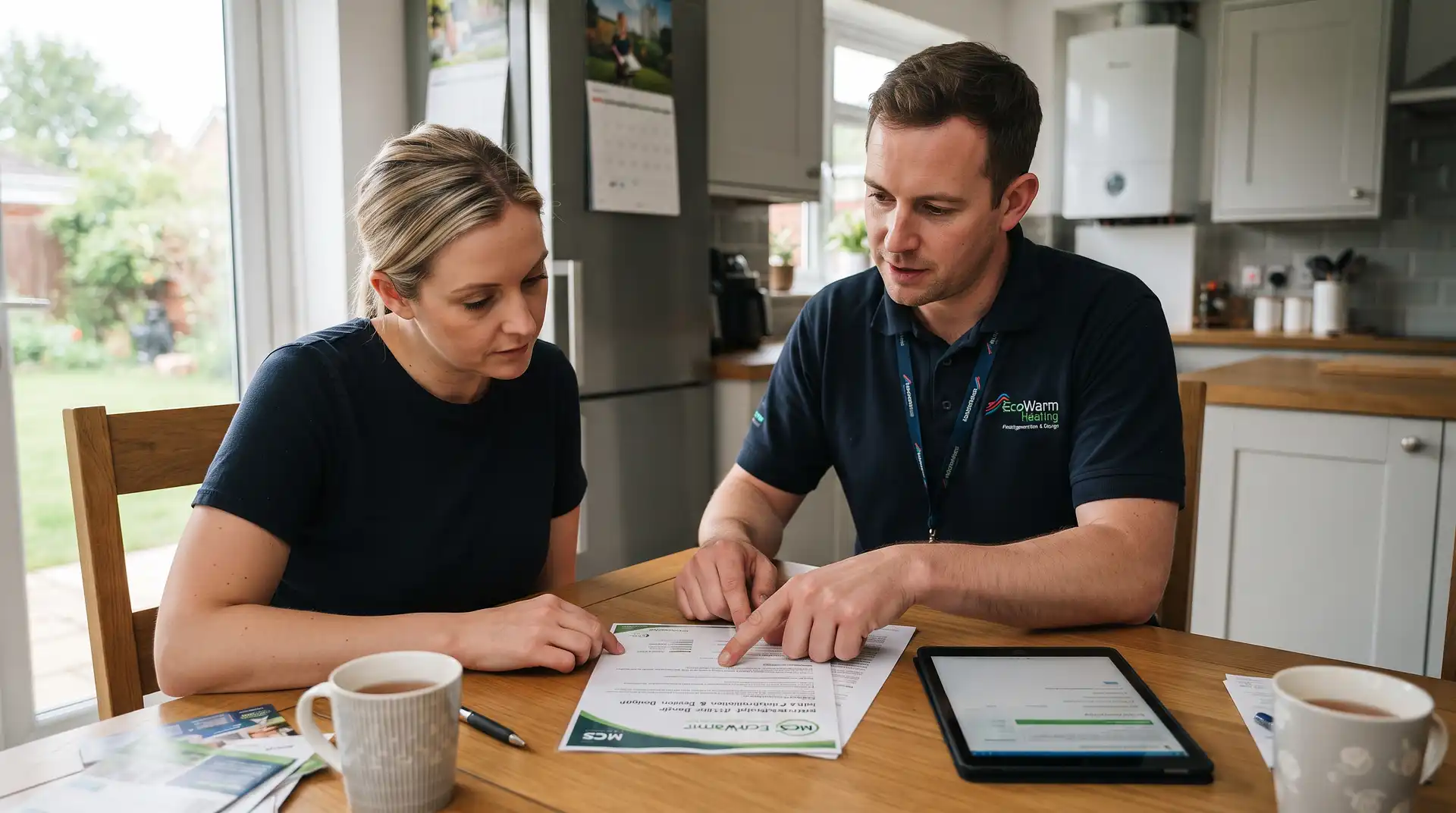
Why Boiler Upgrade Scheme Applications Get Rejected
Boiler Upgrade Scheme Guide ·
Why Boiler Upgrade Scheme Applications Get Rejected, and How to Fix It
A Boiler Upgrade Scheme rejection is rarely about genuine ineligibility. It is almost always an administrative or technical error that can be corrected and resubmitted, either by the same installer or a different one. Understanding the specific reasons applications get refused before you start the process means you can avoid them entirely rather than discovering them after a delay.
Important: InstantGrant is an independent grant information and application-support service. We are not the UK government, Ofgem, or any installer. All figures on this page are verified against Ofgem and DESNZ guidance as of 12 September 2026. If your application is rejected, Ofgem will state the specific reason, and your installer is best placed to advise on correcting it.
This guide covers the most common rejection reasons in 2026, from the 14-day consent deadline to hybrid systems and installer certification issues, what to do if you are rejected, and how to avoid the same mistake happening twice.
The 14-Day Consent Email Deadline
Once your installer submits your application, Ofgem sends a consent email that you must respond to within 14 days confirming you agree to proceed. Missing this window is one of the most common and entirely avoidable rejection reasons, since it has nothing to do with your actual eligibility and everything to do with checking your inbox, including spam and junk folders, promptly after your installer tells you the application has been submitted.
Hybrid Systems: The Primary Heat Source Rule
The Boiler Upgrade Scheme requires the heat pump, heat battery, or biomass boiler to be the primary heat source for the property, not a secondary or backup system alongside a retained gas boiler. A backup electric immersion heater is fine, but a setup where the original gas boiler remains the primary source with the heat pump acting as an auxiliary system does not qualify, and applications structured this way are rejected regardless of how the installation is otherwise carried out.
Products Not on the MCS Eligibility List
Every heat pump, heat battery, and biomass boiler model funded through BUS must appear on the relevant MCS Product Eligibility List. Most reputable manufacturers' models are listed, but not every model from every brand qualifies, and an installer proposing a specific unit without checking its current listing status is a genuine risk. Confirming the exact model and its listing status before agreeing to a quote, rather than after submission, avoids this becoming a rejection reason later.
Installer Certification Scope Issues
An installer can hold valid MCS certification generally while lacking the specific certification scope required for the exact technology being installed, for example being certified for air source heat pumps but not for the particular ground source or heat battery product proposed. This is a more subtle rejection cause than simply using a non-certified installer altogether, and it is worth asking your installer directly to confirm their certification covers the specific system being quoted, not just heat pumps in general.
Two Installers, One Property
Ofgem allows only one grant per property, and if two different installers submit applications for the same address, you as the homeowner can only confirm consent to one of them. This situation typically arises when a household gets quotes from multiple installers and more than one submits an application before a final decision is made, so it is worth telling every installer you get a quote from that you are still deciding, and only allowing your chosen installer to submit once you have committed.
New Build Properties: The Planning Permission Rule
For new build properties, planning permission must have been obtained by the homeowner as an individual, not by a developer or company on their behalf. Applications linked to a company-obtained planning permission are typically rejected, which is a detail that catches out self-builders and those buying from smaller developers who may not have structured the planning application in the homeowner's own name.
Operating the System Before Commissioning
It is important not to operate the heat pump before its official commissioning date is confirmed by the installer. Using the system ahead of formal commissioning can create complications with the application timeline and evidence trail Ofgem expects to see, even where the installation itself was carried out correctly.
Complex Ownership Situations
Properties involved in gifting, inheritance, or funded by someone other than the applicant sometimes require additional documentation, such as a solicitor's confirmation or a build contract, before an application can proceed smoothly. These situations are not automatic rejections, but they do typically take longer and benefit from raising the ownership structure with your installer upfront rather than partway through the application.
What to Do If You Are Rejected
If Ofgem rejects an application, they state the specific reason, and in almost every case the issue is correctable. Your existing installer can typically fix the problem, whether that is responding to a missed consent email, confirming correct certification scope, or checking a product's eligibility listing, and resubmit the application without you losing your underlying eligibility. If your installer is unresponsive or unable to resolve the issue, you are free to switch to a different MCS-certified installer, who would then submit a fresh application on your behalf.
Common Misconceptions
"A rejection means I'm no longer eligible for BUS." Not usually. Rejections are almost always administrative or technical errors that can be corrected and resubmitted, either by your current installer or a new one.
"I can get quotes from several installers and let them all apply." This risks a two-installer conflict, since Ofgem only allows one grant per property and you can only consent to one application. Tell installers you are comparing quotes before any of them submits.
"My EPC still needs to be perfect for BUS to succeed." The EPC and insulation prerequisite was removed in the 2026 amendments. A missing or imperfect EPC is no longer, on its own, a rejection reason, though your installer may still supply alternative evidence if no EPC exists.
Frequently Asked Questions
Why was my Boiler Upgrade Scheme application rejected? The most common reasons are missing the 14-day consent email deadline, a hybrid system retaining a gas boiler as the primary heat source, a product not on the MCS eligibility list, an installer's certification not covering the specific technology, or two installers submitting for the same property.
Does a rejection mean I've lost my BUS eligibility? No. In almost every case, the issue is correctable, and your installer, or a new one if needed, can resubmit the application without you losing your underlying eligibility.
Can I get quotes from multiple installers without risking rejection? Yes, but tell each installer you are still comparing options and have not decided, since Ofgem allows only one application per property and you can only consent to one if two are submitted simultaneously.
Do I still need a perfect EPC for BUS to succeed in 2026? No. The EPC and insulation prerequisite was removed under the 2026 amendment regulations. A missing EPC is no longer an automatic rejection reason, though your installer should supply alternative evidence if none exists.
What happens if my installer's certification doesn't cover my chosen system? The application will likely be rejected. Confirm your installer's specific MCS certification scope covers the exact technology and product you are having installed before agreeing to proceed.
How InstantGrant Can Help
Understanding the specific, avoidable reasons BUS applications get rejected before you start the process can save significant time and prevent an installation delay. InstantGrant is an independent grant information and application-support service that can help you understand what to check before committing to an installer or a quote.
We are not the UK government, Ofgem, or any installer. We do not process applications and we do not guarantee any outcome.
Check your eligibility at instantgrant.co.uk